Story · Ages 7–10
The Ship That Was Replaced
Change one plank. Then another. When is it a different ship?
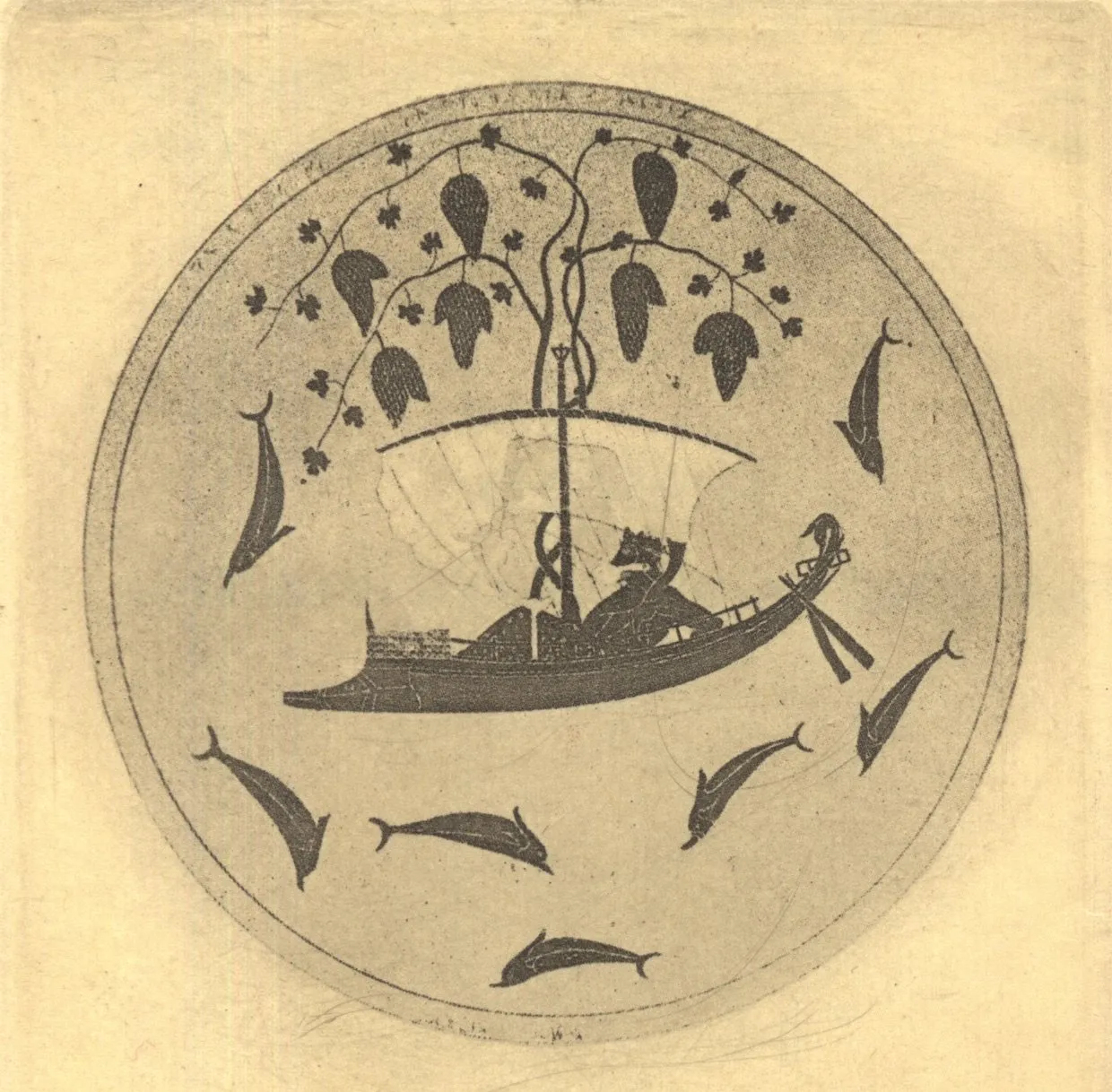
A young man sailed away to a far country and had a famous adventure. He came home. He became king.
To say thank you, the city kept his ship. They put it in a place where everyone could see it, and they took care of it, because it was the ship that had carried him and his friends safely home.
Ships are made of wood, and wood rots, and nothing can be done about that. So when a plank grew soft, they took it out and put in a new one. Every few years, another plank. Ropes were replaced. Oars were replaced. Slowly, over a long stretch of time, every single piece of the original ship was gone, and the ship that stood in the harbour was made of wood that had never been anywhere near that adventure.
They still called it the same ship. Of course they did.
But here is the question, and it has never been settled. Is it the same ship?
Some people say yes. It is the same ship because it is the same ship — the name, the place, the story, the people looking after it. What it is made of is not what it is.
Some people say no. It is a completely different ship wearing an old ship’s name. If you had kept every old plank in a shed, then at the end you would have all the original wood, and you could build the real ship from it. And you cannot have two ships both being the one.
And here is the part that is meant to catch you. You are made of things that are swapped out too. Cells, hair, skin, teeth, ideas, opinions. Most of what is you today was not you when you were four.
So: are you the same you?
What it is really asking
What is it that makes something the same thing over time?
How to tell it
Best told with props: a pen, swapped for another pen, swapped again. Children get the puzzle faster than adults do.
Where this story comes from
Plutarch, Life of Theseus
Plutarch wrote this down about 1,900 years ago while describing an old ship the Athenians kept. Philosophers have been arguing about it ever since, and Thomas Hobbes made it harder in 1655.
This is a retelling, not a translation. The words are ours; the story is theirs.