How We Know · 1130–1200
Zhu Xi
He said understanding comes from looking closely at ordinary things, one at a time, for years.
Fujian, China · lived 1130 – 1200
Their big question
How do you find out how things work?
Zhu Xi’s method is the least exciting and most useful in this library. He said the way to understand anything was to investigate particular things carefully — one object, one plant, one event, one conversation at a time — and to let the understanding accumulate.
It sounds obvious. It was not, then or now. Two tempting alternatives were available. One was to sit still and wait for a sudden insight into everything at once. The other was to memorise what the great texts said and stop there. Zhu Xi tried the second, badly, when he was young, and then changed his mind and spent the rest of his life arguing for the slow route: examine the thing in front of you, in detail, and see what pattern it shares with other things you have examined.
He put this in a framework with its own vocabulary. Principle is what a thing is — the structure it follows. Material stuff is what it is made of. You cannot reach the principle by thinking about principles; you reach it by looking at the stuff until the structure shows through. His metaphor was water in a riverbed: the shape of the channel is real, and the water is where you find it.
His influence went well beyond philosophy. The four books he chose and annotated became the exam syllabus of an empire for six centuries, which makes him one of the few philosophers whose reading list was genuinely compulsory.
“Investigate the things around you, and extend your knowledge one thing at a time.”
The doctrine of gewu, drawn from an older text and made central by Zhu Xi and his followers.
Three things worth knowing
- He selected four older books, wrote commentaries on them, and those commentaries became the basis of the Chinese civil service examinations for six hundred years.
- His method was unfashionably unglamorous: study one thing carefully, then the next, rather than waiting for a single flash of understanding.
- He distinguished principle, the way a thing works, from its material stuff — and argued that you meet the principle by examining the stuff.
Try it — think like Zhu
Pick one ordinary object and study it properly for a week — how it works, what it is made of, who made it and why. Notice how much of the world it drags in behind it.
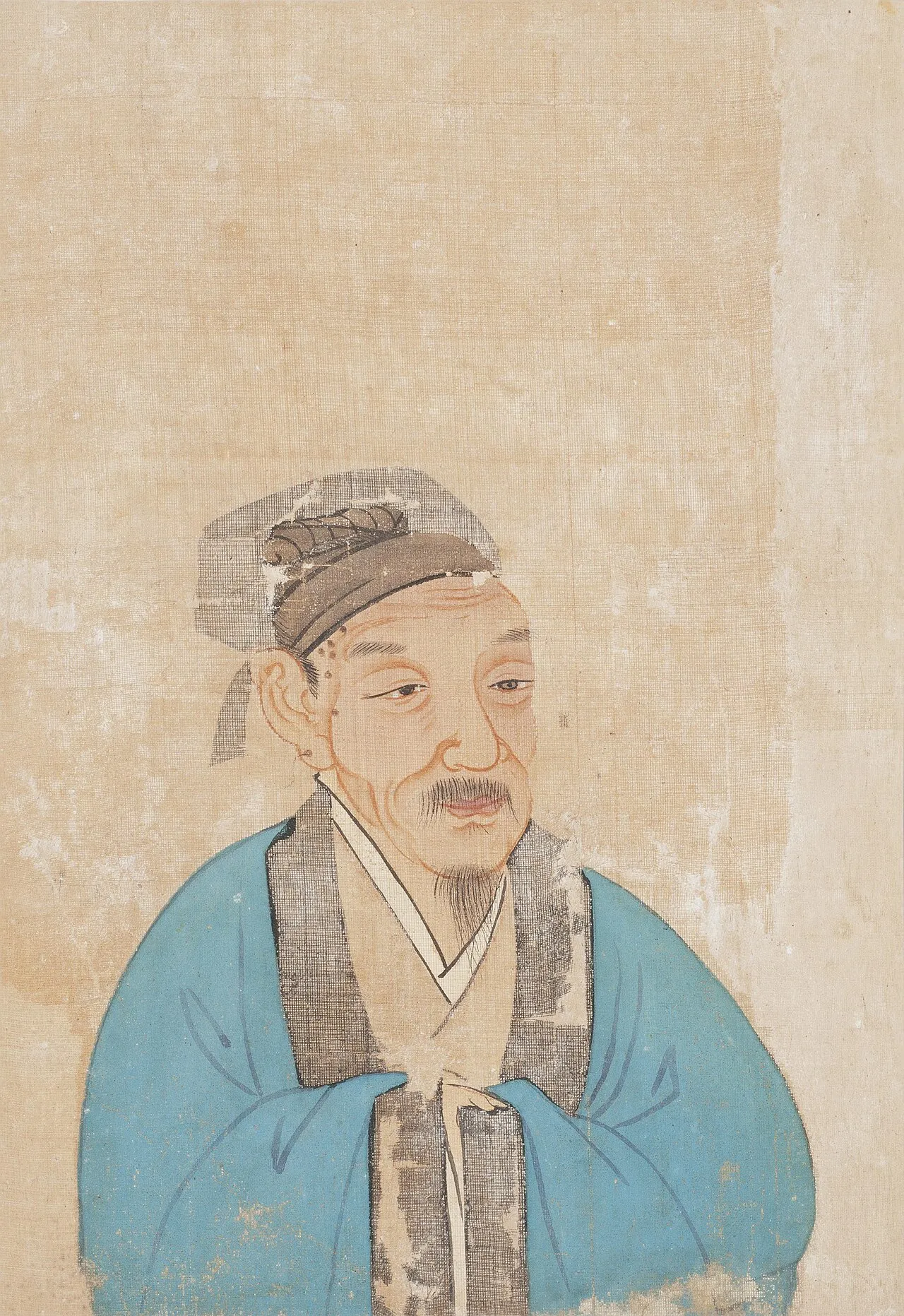
Portraits of Famous Men - Zhu Xi — Unknown Chinese artist. Source on Wikimedia Commons.