Living Together · 1759–1797
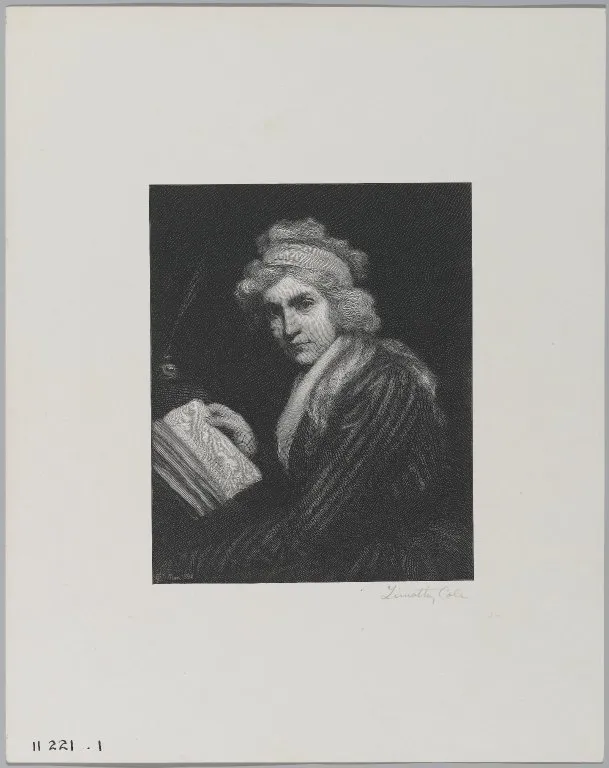
Mary Wollstonecraft
She argued that girls deserve exactly the same education as boys - and that a fair society needs it.
London, England · lived 1759 – 1797
Their big question
Should everyone get the same chance to learn?
Mary Wollstonecraft grew up in a house where her father spent the family money and her mother was told to be quiet. She saw how strongly people decided what a girl could become.
She read the big arguments of her day about freedom and equality, and noticed something missing: women. So she wrote A Vindication of the Rights of Woman (1792) and asked a sharp question - how can you call a country free if half of it is not allowed to think for itself?
She said being educated - being able to reason - is what makes a person a person. Deny someone that and you are not just being unfair, you are making the whole society weaker.
“I do not wish women to have power over men, but over themselves.”
She was not asking to swap places. She was asking to be in charge of her own mind.
Three things worth knowing
- She ran a school and worked as a translator to support herself - unusual for a woman of her time.
- Her daughter, Mary Shelley, wrote Frankenstein, a book crowded with the same questions about who deserves to be treated as a person.
- She argued that 'pretty and helpless' is not a compliment; it is a trap.
Try it — think like Mary
Look at five adverts or five book covers for children. Count how many show girls being brave and clever, and how many show them looking nice. If you were the boss, what would you change?
Brooklyn Museum - Mary Wollstonecraft - Timothy Cole — Timothy Cole / John Opie. Source on Wikimedia Commons.